

Yes, we all deserve a not-so-healthy meal. But why not a semi-healthier version of Chinese takeout without being chocked full of preservatives.
This Crispy Sweet & Tangy Chicken with Veggies recipe delivers exactly that! A dish is always best when you blend the hallmark tastes of sweet, tangy, salty, savory — complete gratification. Top that on crispy chicken pieces, and you are set in the umami world. By layering flavors—from the complex marinade to the perfectly balanced sauce and vibrant blanched vegetables, you get a flavor bomb without much effort. We let the sauce and marinade do all the work.
Meat Marinade - The marinade does the heavy lifting. Ginger, soy, and sesame infuse the meat and cornstarch tenderizes the meat also known as "velvetize" which is a Chinese cooking technique.
Sweet & Tangy Sauce - A blend of soy, ketchup, maple, vinegar, and sesame create a perfect mixture that hits all the sensory spots. Sweet, tangy, salty, & umami - Yum!
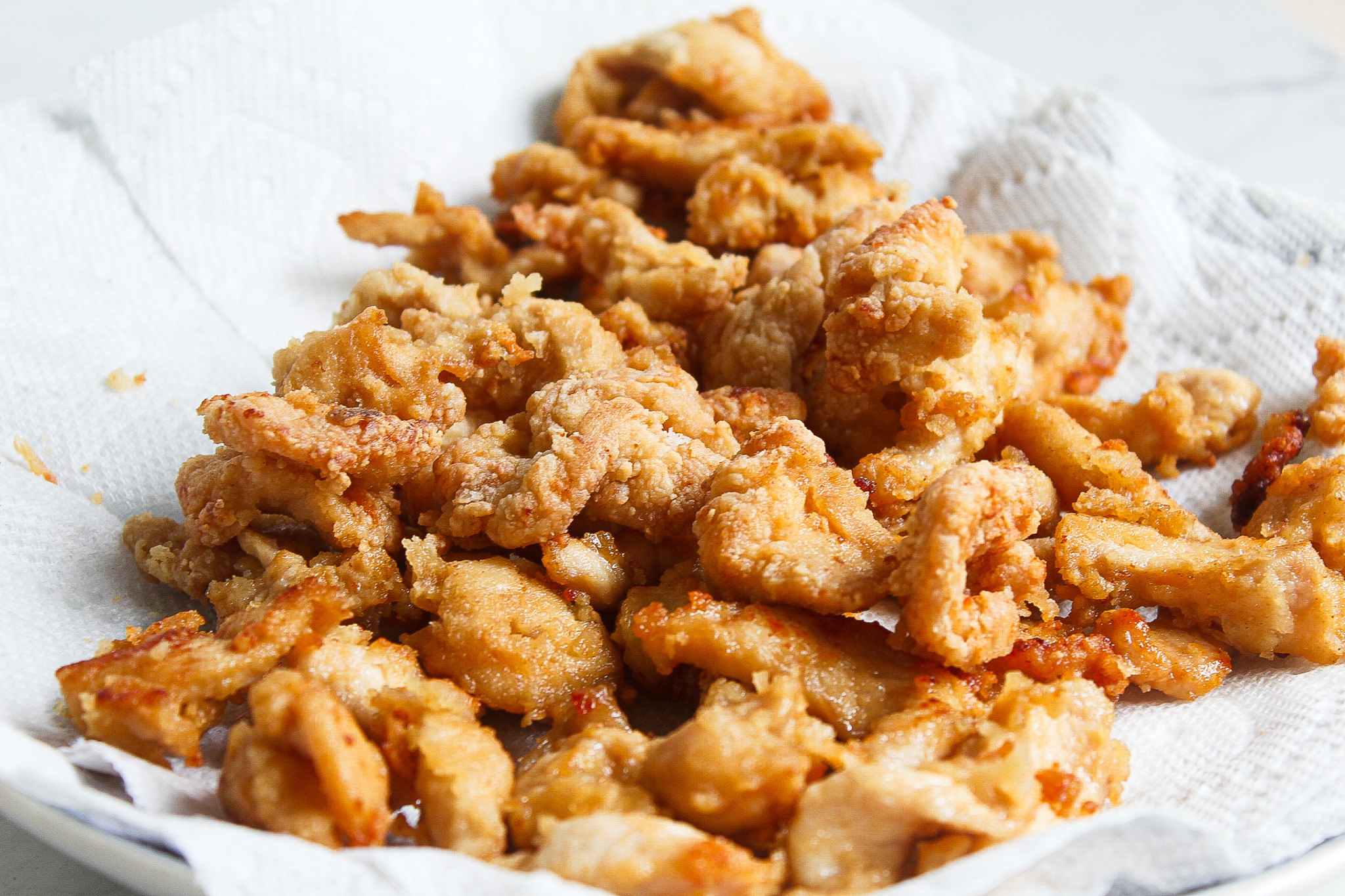
Dredge & Frying - love the touch of sweetness coconut oil adds to the chicken. The cornstarch and einkorn flour provide a light coat that fries quickly and stays crispy. You can use regular all-purpose flour if you do not have einkorn. For gluten-free diets, all purpose 1:1 gluten-free flour or a 50/50 combination of rice flour and cornstarch. I personally prefer the rice flour and cornstarch.
Veggies - I used celery, asparagus, and green beans in this recipe. Practically any vegetable pairs perfectly.
Garnish & Serve - Jasmine rice is a simple and uncomplicated addition to this dish. You could also try lo mein or rice noodles. Toast some sesame seeds in a dry pan to enhance everything. To brighten it up, slice green onions or sprinkle on cilantro.
Despite its reputation, MSG (monosodium glutamate) is simply the sodium salt of glutamic acid—an amino acid naturally found in our bodies and many foods including tomatoes, mushrooms, seaweed, anchovies, and fermented products like soy sauce, miso, and cheese.
What's often overlooked is that most processed foods contain various highly processed sodium derivatives and additives—these are the actual culprits behind many health concerns. Since MSG is frequently used alongside these other problematic salt compounds in processed foods, it gets unfairly grouped into the "harmful" category through guilt by association.
MSG provides that distinctive umami (savory) flavor that makes restaurant food taste so good, but like any other food enhancer, be sure to use it in moderation. Using pure MSG allows you to reduce overall sodium as it contains about 60% less sodium than table salt.
In this recipe, a small amount of MSG makes a significant difference in creating that authentic restaurant-quality taste you're looking for, without the problematic additives found in heavily processed foods.
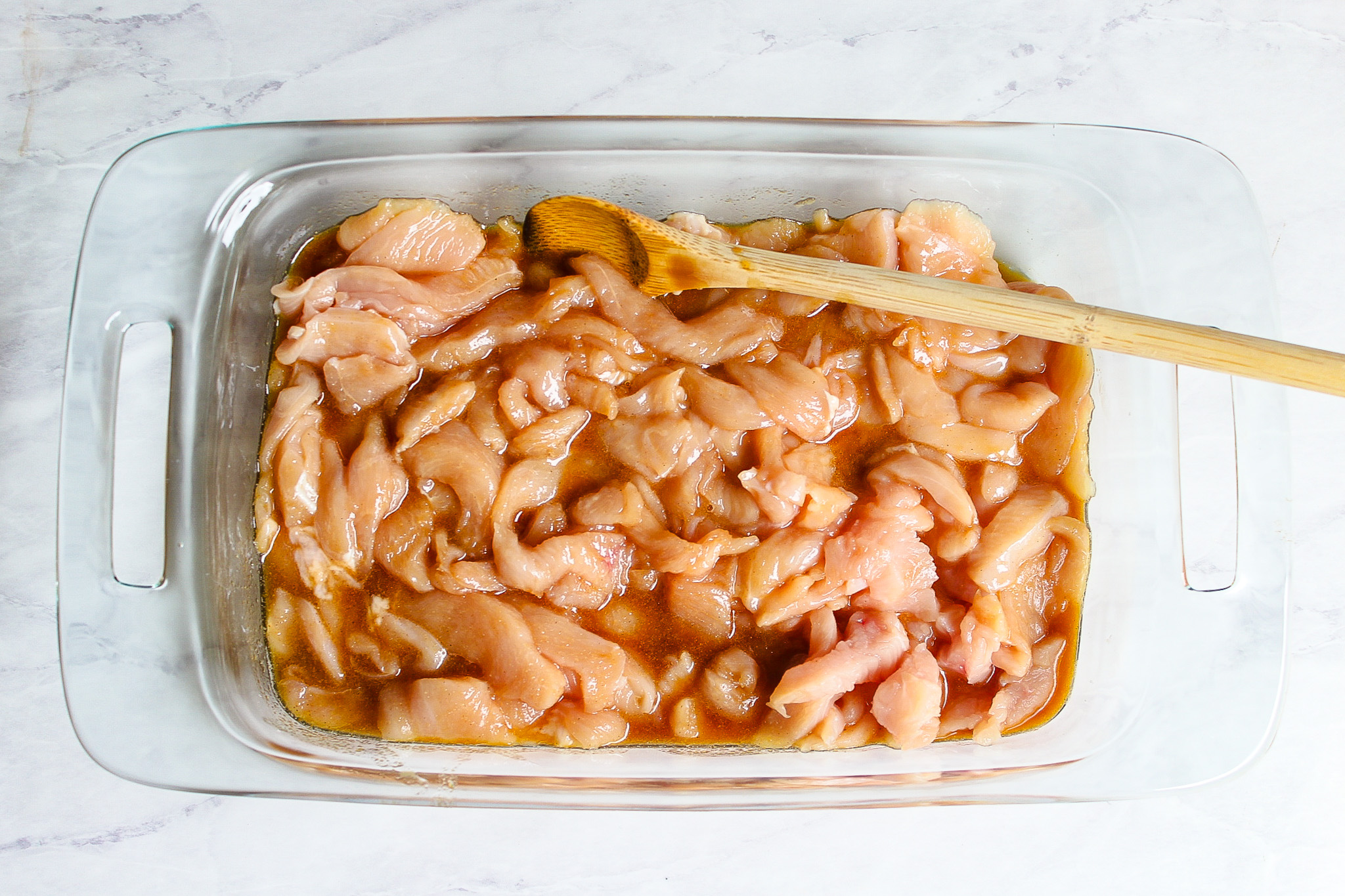
Cornstarch isn't just for thickening sauces or creating a crispy coating—it's also a powerful meat tenderizer that professional chefs rely on.
When used in marinades, cornstarch works through a process called velveting, a Chinese cooking technique that creates incredibly tender meat. The cornstarch forms a protective barrier around the protein, preventing it from tightening too much during cooking and locking moisture inside.
Additionally, the thin coating created by cornstarch helps the marinade ingredients penetrate more effectively into the meat, allowing flavors from the soy sauce, ginger, and wine to infuse more deeply.
In this recipe, the combination of cornstarch in both the marinade and the dredging mixture. This ensures your chicken will be silky tender with a crispy exterior from frying.
Blanching preserves vibrant colors, creates the perfect crisp-tender texture, and locks in nutrients that would otherwise be lost.
I prefer this method over stir-frying vegetables in a wok for two important reasons. First, blanching is significantly healthier since it requires no additional oil.
Second, blanching gives you precise control over cooking times for each vegetable type, eliminating the common problem of mixed stir-fries where some vegetables end up overcooked while others remain too raw. With the ice bath technique, you can stop the cooking process at exactly the right moment, ensuring each vegetable maintains its ideal texture and nutritional profile.
Want to Make it Gluten-Free? Simply swap the einkorn flour for gluten-free all-purpose flour. King Arthur or Cup4Cup are excellent choices that maintain the right texture while keeping the dish completely gluten-free. Use tamari instead of regular soy sauce.
Want to Try Different Proteins? This versatile recipe works beautifully with shrimp, pork, or beef instead of chicken. Just remember to adjust cooking times accordingly—shrimp cooks much faster, while pork and beef might need slightly longer depending on the cut.
Try Any Vegetable Combination: Choose what's fresh or what you have on hand to make it simpler. Red peppers add vibrant color, sugar snap peas provide sweet crunch, and leafy additions like bok choy or napa cabbage bring variety to the texture profile. The blanching technique works perfectly for all these vegetables.
Craving Some Heat? Add chili oil or Sriracha to the sauce for a spicy kick that balances beautifully with the sweet and tangy elements.
For a Sugar-Free Version: replace brown sugar and honey with monk fruit sweetener using a 1:3 ratio. This means using only ⅓ the amount of monk fruit compared to the original sugar quantity for the perfect balance of sweetness without the calories.
Still Concerned About MSG? While it enhances the umami flavor, this dish is already so flavorful from the other ingredients that omitting it works perfectly fine if preferred!
Give this Crispy Sweet & Tangy Chinese Chicken recipe a try this week and add it to your weekly meal rotation. The tender, silky chicken, vibrant veggies, and harmonious sauce is irresistible. Now that you have restaurant-quality techniques at your fingertips so you don't have to order takeout the next time you're craving Chinese food.
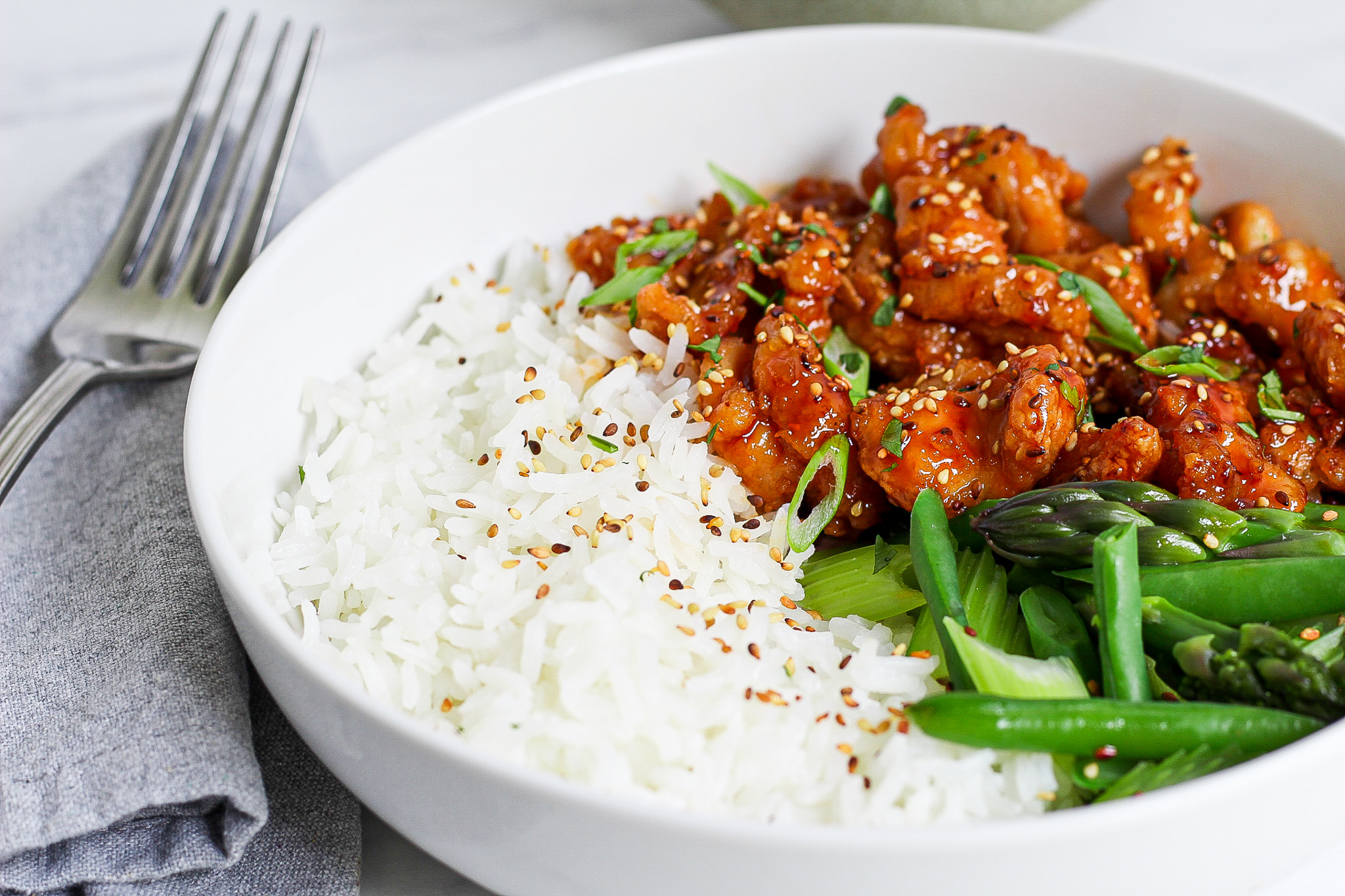
Chicken is marinated and velvetized using cornstarch before being lightly fried to crispy perfection in coconut oil. Paired with vibrant, crunchy vegetables that maintain their nutrients and texture through a blanching process, This healthier alternative to stir-fry comes together with a balanced sweet and tangy sauce.
Bring 4 quarts of water to boil with salt.
Cut all vegetables to similar sizes and prepare a large ice bath.
Add vegetables to boiling water; cook for 1 1⁄2 to 2 minutes depending on vegetable type.
Thank you for exploring my recipes!