

The method matters more than you realize. Cooking at a low or even medium temperature means a longer cooking time resulting in mush and lost nutrients. Find out how to cook them fast and preserve the flavor and color below.
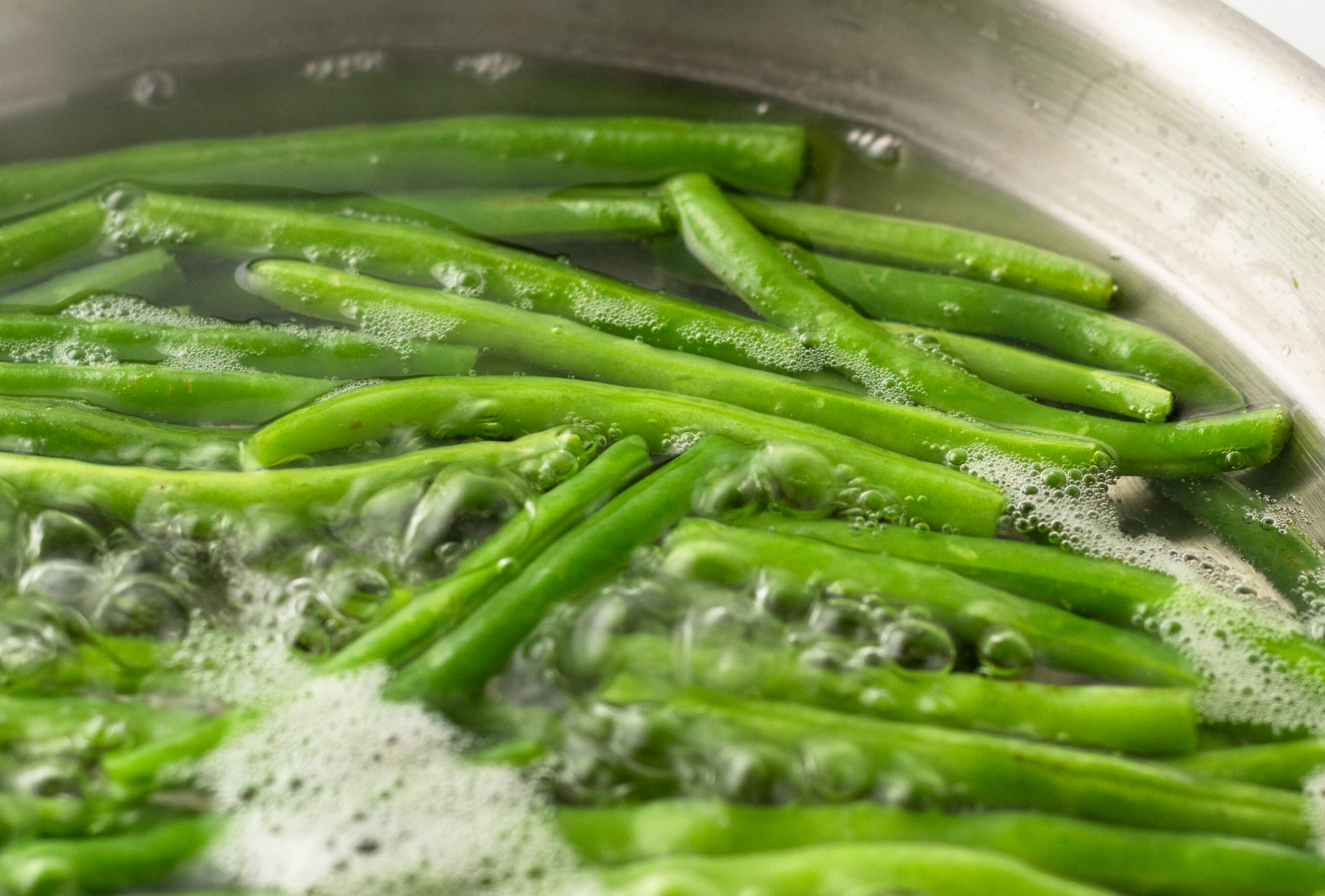
The secret is blanching them in generously salted boiling water. And before you worry, salty water does not mean salty beans. The salt preserves the beans' nutrients as they cook at a high, fast temperature, keeping them vibrantly green and locking in everything good.
It also enhances the natural sweetness already inside the bean, drawing it forward in a way that low-and-slow cooking never could. Unlike traditional blanching, no ice bath is required. Just drain, toss, and serve. Quicker, simpler, and one less thing to deal with.
Beans that are perfectly tender, brilliantly green, and naturally sweet with absolutely no stringiness, no dryness, and no sad mush in sight. Think of them like french fries: eat one and you simply cannot stop. Just four minutes between you and the best green beans of your life.
Honestly, these beans don't need any heavy lifting from other ingredients (looking at you, bacon, garlic, and onion). They are simply perfect on their own with a drizzle of olive oil or butter. The blanching method does all the work, and the result speaks for itself. I've included a few toppings I occasionally add when I want to fancy them up a bit.
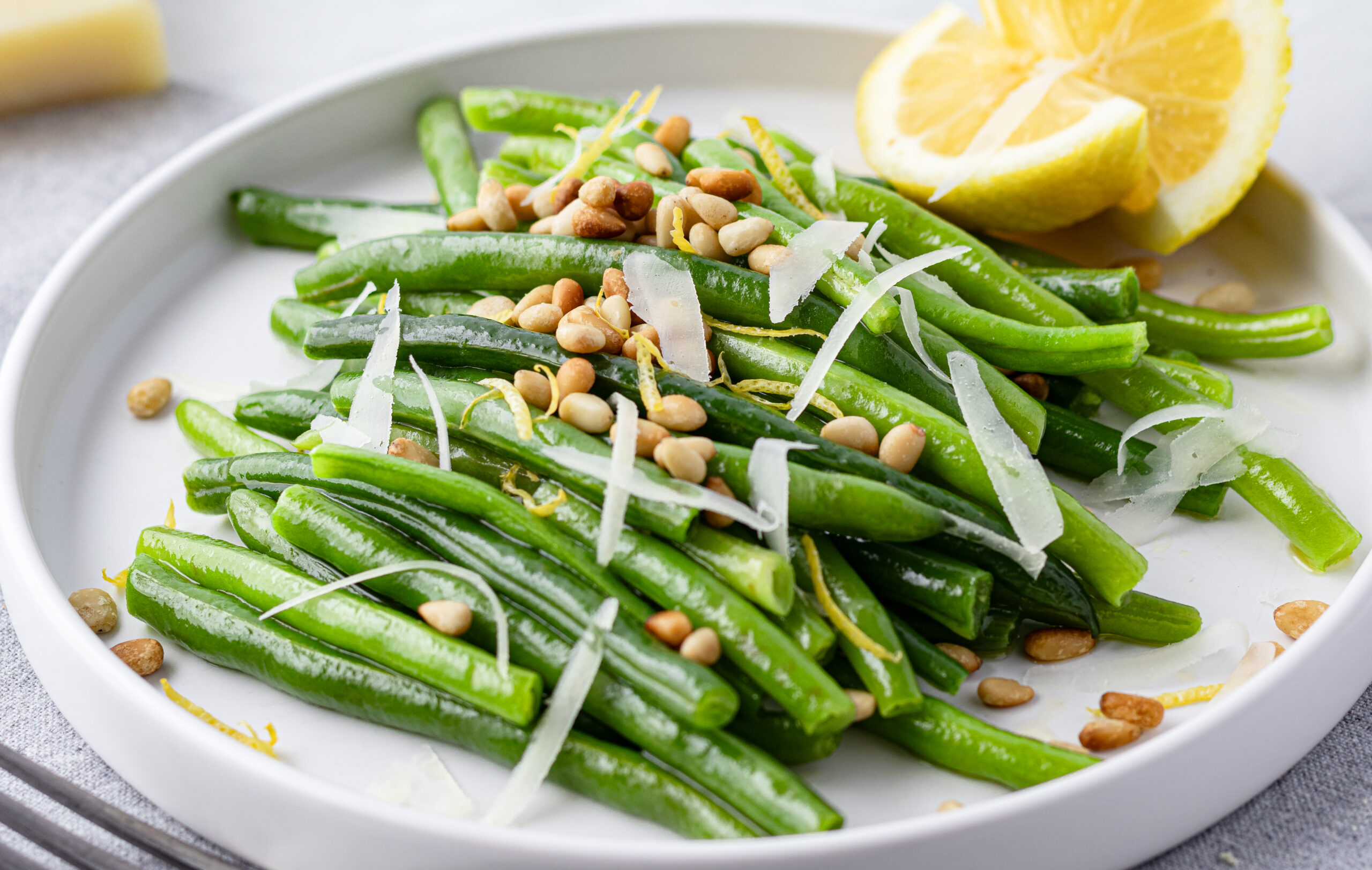
Kosher salt in the water: This is not negotiable. A full tablespoon may feel like a lot, but this is what seasons the beans from the inside out, preserves that brilliant green color, and brings out their natural sweetness. The beans will not taste salty. Trust the process.
Butter vs. olive oil: Both are delicious. Butter gives you a richer, more indulgent finish. Olive oil keeps things lighter and is an easy swap for anyone eating dairy-free. Use what you love.
Flaky sea salt: The finishing salt is a different job than the cooking salt. Flaky sea salt like Maldon gives you little bursts of seasoning and a subtle crunch that table salt simply cannot replicate. It's worth keeping a box in your pantry.
Lemon zest vs. lemon juice: Zest gives you all the bright, citrusy fragrance without the acidity of the juice, ideal if you're reflux-sensitive. If you're not, a small squeeze of fresh lemon juice over the top is lovely too.
Pine nuts: Lightly toasted pine nuts add a subtle nuttiness and a little texture without competing with the beans. A small handful is all you need.
Pecorino Romano or Parmesan: Both work beautifully here. Pecorino is sharper and saltier; Parmesan is milder and nuttier. Freshly grated only — the pre-shredded stuff won't melt the same way. Omit entirely to keep the dish dairy-free.
Fill a pot with enough water to give your beans room to move and add one tablespoon of kosher salt. Bring it to a full, rolling boil. The water should taste well-seasoned. This is the foundation of the whole dish.
Add your trimmed beans and cook for 4 minutes. Keep an eye on them. You're looking for beans that are bright, vivid green and just tender when pierced with a fork, with a little snap still left in them. If they need another 30 seconds, give it to them, but don't walk away.
Drain the beans immediately and make sure your burner is off. Return them to the pot and add your butter or olive oil and a pinch of flaky sea salt and toss to coat.
Transfer to your serving dish and finish with any optional toppings. A shower of fresh lemon zest or a small squeeze of juice, a handful of toasted pine nuts, or a generous grating of Pecorino Romano or Parmesan. Or skip them all and let the beans do exactly what they do best. Serve immediately.
Thank you for exploring my recipes!